Achievements in Dependable Water Management: Proven Methods
In an era where water-related challenges are becoming increasingly prevalent, the importance of dependable water mitigation cannot be overstated. From destructive floods to persistent leaks, the impact of water damage can be financially and psychologically draining for people and societies alike. However, amidst these challenges, there are inspiring success stories that showcase efficient strategies and creative technologies designed to mitigating water issues.
Across the globe, various case studies illustrate how proactive measures and reactive solutions have led to considerable improvements in water management. These success stories not only demonstrate effective methods but also provide valuable insights for those seeking to implement trustworthy water mitigation strategies in their own lives or enterprises. By analyzing these real-life examples, we can uncover the best practices that ensure strength against the uncertain nature of water-related incidents.
Case Studies of Successful Techniques
One of the most successful approaches in sustainable water management was shown during the fallout of Hurricane Harvey in Texas. Communities utilized a mix of burlap sacks and temporary levees to guide floodwaters away from homes. These defenses effectively shielded homes and businesses by creating a physical buffer against the increasing water levels. Local citizens, along with rescue teams, collaborated to ensure that at-risk locations received the safeguarding they needed in a timely manner. This joint effort not only showcased the necessity of readiness but also highlighted the force of teamwork in effective water mitigation.
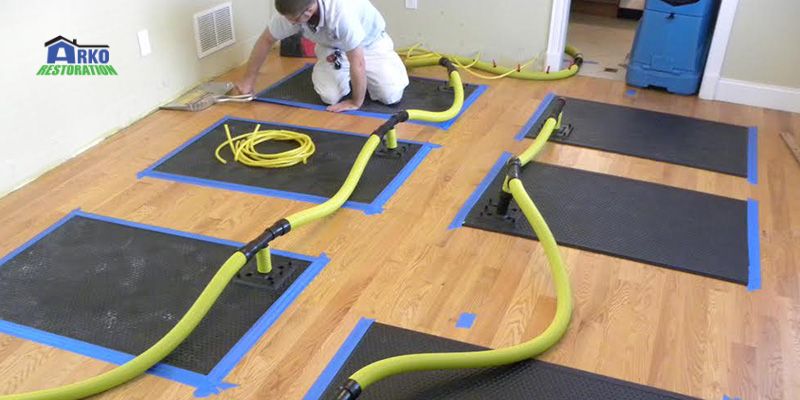
In another notable case, California's approach to handling seasonal flooding involved the implementation of cutting-edge drainage systems. Engineers designed a grid of stormwater storage basins that allowed surplus rainfall to be collected while held instead of flooding metropolitan zones. These systems utilized the use of breathable surfaces and sustainable designs, which aided the organic absorption of water into the ground. As Reliable Water Mitigation contact , local governments saw a significant decline in flood incidents, demonstrating the effectiveness of proactive infrastructure planning and environmental considerations in sustainable water mitigation.
Lastly, the use of innovative technology has changed water mitigation practices. In New Orleans, where flooding is a regular hazard, city planners employed simulation programs to assess potential flood risks and implement necessary actions. This technology allowed them to see the impact of various storm scenarios and develop strategic responses, such as optimizing drainage systems and even creating designated flood zones. By responding to forecasted weather patterns and historical data, the city improved its capacity against flooding, proving that technology can play a key role in reliable water mitigation approaches.
Innovative Techniques in Aquatic Mitigation
New advancements in tech have significantly improved the performance of trustworthy aquatic mitigation approaches. One significant advancement is the application of monitoring technologies that monitor moisture levels in real time. These sensors can detect water leaks and increased moisture, sending warnings before severe damage occurs. By linking these devices with connected home systems, residents can get immediate messages on their phones, facilitating for rapid reaction to potential aquatic concerns.
Another promising development is the creation of sophisticated drainage systems designed to improve hydrological management. Permeable surface materials are an illustration, facilitating precipitation to penetrate the soil rather than gathering or overflowing. This not only reduces the risk of hydrological harm but also revives aquifer supplies. Moreover, sustainable engineering practices, such as bioswales and vegetated swales, are being employed to naturally cleanse and handle stormwater, showcasing a ecological approach to water management.
Furthermore, advanced materials such as moisture-resistant coatings and barriers are growing popularity in renovation projects. These substances create barriers that prevent water intrusion while permitting edifices to ventilate, reducing the probabilities of fungus and damage. As the construction industry continues to embrace these innovations, the overall resilience of structures against water damage is greatly improved, leading to a better water management environment.